Blog

  • Why a Failed Septic Kept This CT Listing From Selling

    Why a Failed Septic Kept This CT Listing From Selling

    Four siblings inherited a house together.

    None of them lived in it. None of them wanted to. They just wanted it sold, the estate closed, and the money split so everyone could move on.

    Their realtor walked the property, ran the comps, and gave them a healthy list price — the kind of number that made the estate look like a clean, straightforward sale.

    Then the septic inspection came back.

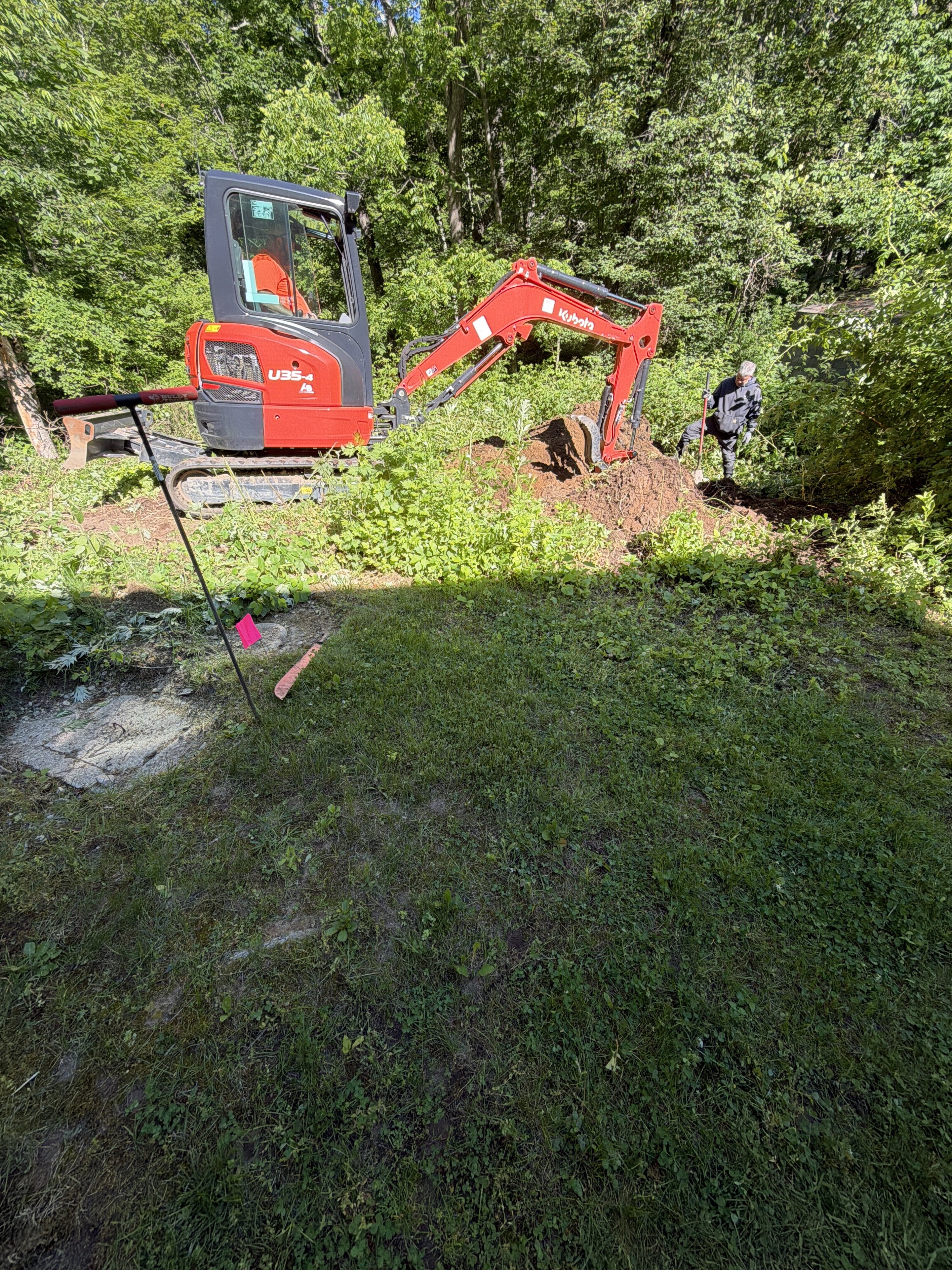
    Failed. Not “needs minor repair.” Failed — as in, a full system replacement, tank and leach field, dug out of a wooded lot with an excavator. The kind of repair that runs $25,000 or more before anyone’s even talking about the house itself.

    That one inspection result changed everything about what this house was actually worth to a family trying to sell it.


    Why a Failed Septic Is Different From “The House Needs Work”

    Most repair issues shrink your buyer pool. A failed septic system eliminates almost all of it.

    Here’s why: nearly every conventional buyer needs a mortgage, and almost no lender will finance a home with a failed septic system or a failed perc test. Not “will make it harder.” Won’t do it. Full stop. The moment that inspection report comes back, your realtor’s buyer pool — the people who could actually close on your home — collapses to cash buyers and investors, whether that was the plan or not.

    For a family in probate, that timing is brutal. You’re already carrying a house through a legal process that can take 6 to 18 months in Connecticut. Add a failed septic, and that “clean, straightforward” listing isn’t clean or straightforward anymore — it’s a listing that will sit, get relisted lower, and keep racking up carrying costs while the estate waits for a buyer who can pay cash for a problem most people don’t want.

    That’s the situation these four siblings were actually in, even if their realtor’s number didn’t reflect it yet.


    What Soil Testing and Septic Replacement Actually Cost in Connecticut

    Before any of that repair math happens, Connecticut requires soil testing to confirm what a property’s ground can actually support. Here’s roughly what that looks like in real dollars:

    • Soil testing / percolation (“perc”) test: Typically $750–$1,900, with most homeowners landing around $1,300. Connecticut’s process is more involved than a lot of states — it requires a deep test pit dug by a licensed installer (at least 6-8 feet down) plus percolation testing, witnessed and recorded by the local health department before any repair or replacement can be approved.
    • Septic system replacement: In Connecticut, a standard system replacement typically runs $7,000–$15,000, but the full range is wide — $5,000 on the low end up to $30,000 or more for mound systems or engineered systems, which are often required when soil conditions won’t support a conventional drain field.
    • Permits: Add another $500–$2,000 on top, depending on the town and the complexity of the system being approved.

    Put together, a homeowner facing a full septic replacement in Connecticut is realistically looking at $8,000 on the low end and $30,000+ on the high end before the house itself is even back on solid footing — and that’s before accounting for the months it takes to test, permit, excavate, and pass final inspection.

    (Costs above are general 2026 market ranges, not a quote for any specific property — actual pricing depends on soil type, system size, and your specific town’s health code requirements.)


    Why Our Cash Offer Came in Well Below the Original List Price

    We’re not going to pretend that gap doesn’t need an explanation, because it does.

    The short version: a $25,000+ septic replacement, months of carrying costs while that work gets permitted and completed, and the fact that we’re the buyer who says yes when a bank says no — all of that gets priced into an as-is cash offer. We weren’t buying the house the realtor’s number described. We were buying the house that actually existed, with a failed septic system that most buyers legally couldn’t finance even if they wanted to.

    For the siblings, the math wasn’t “the list price vs. our offer.” It was closer to “a fair cash number, in weeks, with nothing to fix and nothing to fight over” vs. “list it, watch it sit because financed buyers can’t touch it, spend money we don’t have on a system we don’t want to install, and wait.” We’ve walked other Connecticut heirs through that exact same math — the “real” cost of a listing isn’t the number on the sign, it’s that number minus everything it takes to actually get there.

    We bought the property as-is. Septic, excavator hole, and all. No repairs required of them, no negotiating over who pays for what.


    If You’ve Inherited a House With a Major Repair Problem

    Septic failure is common enough in Connecticut that it’s worth knowing before an inspector tells you, not after:

    • A large share of Connecticut’s housing stock is old — septic systems installed decades ago are reaching the end of their working life across the state, especially outside sewer-served towns.
    • A failed inspection isn’t a negotiating chip — it’s a financing wall. Once it’s documented, you can’t un-know it, and most buyers can’t unsee it either.
    • Multiple heirs make this harder, not easier. Four people can’t easily agree to split the cost of a $25,000 repair on a house none of them will live in. We’ve seen this dynamic before — sometimes selling as-is is the right call, sometimes it isn’t, and it’s worth actually working through which one you’re in.
    • Probate makes the clock louder. Every month a property with a repair problem sits unsold is a month of taxes, insurance, and upkeep that comes straight out of what heirs eventually receive.

    If you’re not sure whether probate even allows you to sell yet, we’ve broken that down in plain English here, and our full guide to selling an inherited house in Connecticut during probate covers the rest.


    What We’d Tell You If You Called Us Today

    If your septic system just failed inspection, or you’re inheriting a property and you’re worried it might, here’s the honest version: get the inspection done regardless of what you decide next. You can’t make a good decision on a problem you haven’t confirmed.

    Then get a cash offer so you have a real number to weigh against the cost, the timeline, and the headache of a repair on a house you may not even want. It costs nothing to find out, and it gives you something concrete instead of a guess.

    Call us at (203) 901-4198 or visit snapsalect.com.

    We buy houses across Connecticut in any condition — failed septic, bad perc test, fire damage, decades of deferred maintenance. If it’s a problem, we’ve probably already bought a house with it.


    SnapSale Homes is a local Connecticut cash home buyer. We are not attorneys, engineers, or septic contractors, and nothing in this article is legal, financial, or engineering advice. Septic and repair costs vary by property and municipality — get a licensed inspection before making any decisions. For guidance on your specific probate situation, consult a licensed Connecticut probate attorney. Details in this story have been changed to protect the sellers’ privacy.
  • Connecticut Has the Third-Highest Property Taxes in America. Here’s What That Actually Costs You.

    Nobody warned you when you bought the house.

    The listing looked great. The neighborhood felt right. You ran the numbers on the mortgage, factored in the down payment, and figured you had it covered.

    Then the tax bill showed up.

    Connecticut ranks third in the nation for property taxes — year after year. And unlike a mortgage, the tax bill doesn’t go away when you pay the house off. It doesn’t pause when you lose a job. It doesn’t care that nobody’s living there. It just keeps coming.

    If you own a home in Connecticut right now that you’re not sure what to do with — an inherited property, a rental you’re done managing, a house that needs more work than it’s worth — this post is going to show you exactly what that property is actually costing you every month. Not what you think it’s costing you. What it’s actually costing you.


    The Number Most Connecticut Homeowners Don’t Know

    Mill rates vary by town, but the statewide picture is brutal.

    West Hartford’s mill rate is currently 46.77 — and it’s climbed nearly 10% in two years alone. On the median West Hartford home, that’s over $9,000 a year in property taxes. Annually. Whether you live there or not.

    That’s $750 a month. Just in taxes.

    Add homeowner’s insurance ($150–$250/month on a typical Connecticut home). Add utilities if the house needs heat in winter — and it does, because frozen pipes in an empty Connecticut house cost you $10,000 minimum before anyone shows up with a check. Add basic maintenance. Add any outstanding mortgage.

    On a modest Connecticut home sitting vacant, you can hit $2,000–$3,500 a month in carrying costs without breaking a sweat.

    That’s not a worst-case scenario. That’s Tuesday.


    What Makes Connecticut Especially Punishing

    Connecticut doesn’t give you an easy out.

    The seasons are relentless. Freezing winters. Spring floods. Summer humidity warping every wood surface in the house. Fall leaves clogging every gutter. Connecticut weather doesn’t care if the house is occupied or vacant — it attacks either way. Roof leaks, wet basements, foundation cracks, aging septic systems, failing oil boilers — these are not rare problems here. They’re standard.

    The median construction year for homes in West Hartford alone is 1954. Across Connecticut, an enormous share of the housing stock is 60, 70, 80 years old. That age brings charm and it brings bills. The bills don’t stop because you stopped living there.

    The market is unforgiving if your house needs work. Connecticut buyers are picky and financing is tight. A house with a wet basement, outdated electrical, or a 25-year-old roof will get offers — but those offers will reflect every problem. And if a buyer’s lender gets involved, those problems can kill the deal entirely. A failed septic inspection is one of the biggest examples—see how a failed septic system can affect a home sale.

    Probate can freeze a property for up to 18 months. If you inherited a property in Connecticut, you may not even be able to sell it yet — but the tax bills, insurance, and maintenance costs don’t wait for the court. If you’re navigating probate, read our complete guide to selling inherited property in Connecticut during probate. Every month the estate stays open, money that should go to heirs goes to carrying costs instead.


    The Hidden Tax That Nobody Talks About: Opportunity Cost

    Here’s the number people always forget.

    Every month you hold a property you don’t want, you’re not just spending money — you’re losing it twice.

    Once in carrying costs. And once in what that money could have been doing somewhere else.

    If you’re spending $2,500 a month carrying an inherited house in Hartford County and it takes 14 months to close probate and sell through a traditional listing — that’s $35,000 gone before the first commission check. On a $300,000 house, you’ve handed back more than 10% of the sale price before a single buyer walked through the door.

    That math changes the conversation about what a “fair” offer actually means.

    A cash buyer might offer you less than market value. But market value minus 14 months of carrying costs minus 5–6% in commissions minus the repairs you had to make to get it listed — that number looks a lot different than the gross sale price everyone fixates on.

    We’ve done this math with sellers in Hartford County, New Haven County, Middlesex County, and across Connecticut. Sometimes the numbers favor waiting. Often they don’t. We’ll always show you both sides — including the times when selling to us isn’t the right move. We’ve literally talked sellers out of deals with us. That story is here.


    What You Can Do Right Now

    If you’re sitting on a Connecticut property you’re not sure about, there are three honest moves:

    1. Do the full math before you decide anything.

    Don’t just think about what the house might sell for. Think about what it costs you every month until it sells. Taxes, insurance, heat, maintenance, mortgage if there is one. Multiply that by a realistic timeline. That’s the real number you’re working with.

    2. Understand your probate situation before you assume you’re stuck.

    A lot of Connecticut homeowners think they can’t do anything with an inherited property until probate fully closes. That’s not entirely true. You can get a property under contract before probate closes — the closing just can’t happen until the court grants authority. An experienced buyer who understands Connecticut probate can structure a deal around that timeline. Read our full breakdown of how probate works in plain English here.

    3. Get a no-obligation cash offer so you have a real number to compare.

    You can’t make a good decision without data. A cash offer costs you nothing to get. It gives you a concrete number that you can stack against the carrying cost math and the traditional listing scenario. Then you actually know what you’re choosing between.


    We Know Connecticut Because We Grew Up Here

    SnapSale Homes is based in New Britain. Our roots are in Newington, Hartford County — this is our home, not just our market.

    We’ve driven every street from Elmwood to Bishops Corner, from West Hartford Center to Farmington Valley, from the Naugatuck Valley to the Quiet Corner to the shoreline. We know the raised ranches in Enfield. We know the multifamilies in Hartford’s West End. We know the colonial in Farmington and the shoreline cottage near Old Saybrook.

    We know what Connecticut winters do to a house that’s sitting empty. We know what the mill rate in your town actually means for your tax bill. And we know when selling fast is the right call — and when it isn’t.

    When you call us, you’re not talking to a call center. You’re talking to someone from here.

    (203) 901-4198 | snapsalect.com

    No pressure. No obligation. Just an honest conversation about what your options actually are.


    SnapSale Homes is a local Connecticut cash home buyer. We are not attorneys and nothing in this article is legal advice. Property tax figures and mill rates are subject to change — verify current rates with your municipality. For legal guidance on probate or estate matters, consult a licensed Connecticut probate attorney.

  • Probate Explained Like You’re in 5th Grade


    Probate confused you.

    It shouldn’t have.

    That’s on us. Not you.

    Someone you love died. And suddenly everyone around you is throwing around words like probate, executor, letters testamentary — and expecting you to just keep up.

    You’re not stupid. It was just never explained right.

    Until now.


    What Is Probate?

    Your grandpa had $10,000 in a bank account.

    He never told anyone which grandkid he wanted it to go to.

    He dies.

    Three grandkids show up at the bank the next day. Everyone says the money should be theirs.

    The bank won’t give any of them a single dollar.

    Not without a judge saying who gets it.

    That’s probate.

    A judge steps in when there’s no adult left in the room. They look at everything the person owned — the money, the house, the car — and they make sure it goes to the right people.

    That’s the whole thing.


    Why Can’t You Just Sell the House?

    Here’s the part that confuses everybody.

    The second someone dies, their house freezes.

    You cannot sell it. You cannot give it away. You cannot do anything with it.

    Even if everyone in the family agrees. Even if there’s a note that says exactly who should get it.

    Doesn’t matter.

    The judge has to say it’s okay first.

    And until the judge says so — the house just sits there. The house doesn’t care that the owner died. Connecticut already ranks third in the nation for property taxes. When you add those bills to everything else the estate is carrying, the cost of waiting adds up fast. Here’s what that actually looks like in real numbers. The bills don’t stop. Taxes. Electric. Insurance. Every single month. Money that was supposed to go to the family — just gone.


    How Do You Get the Judge Involved?

    You fill out one form.

    It’s called the PC-200.

    Think of it like sending the court a letter that says: “Hey. Someone died. Here’s who they were. We need your help.”

    You bring:

    • The paper that proves they died
    • Their will — the document where they wrote down who should get their stuff — if they made one
    • Their Social Security number
    • Their name, their address, when they died
    • The names and addresses of everyone in the family who might get something

    When in doubt about who to list, ask a probate attorney before you file. Leaving someone off can get the whole thing rejected.

    You take all of that to the courthouse in the town where the person lived. You hand it in. You pay a small fee.

    Probate has started.

    One form. That’s how it begins.


    Then What Happens?

    The judge picks someone to be in charge of sorting everything out.

    This person’s job is simple: pay what the person owed, and make sure everyone who is supposed to get something actually gets it.

    The judge then gives this person a piece of paper that says: “This person is allowed to make decisions. Banks, listen to them. Buyers, listen to them. Everyone, listen to them.”

    Without that paper, nobody will deal with you.

    With it, you can start moving.


    “But There’s a Will. Do We Still Have To Do All This?”

    Yes.

    This surprises almost everyone.

    A will does NOT mean you skip this process.

    A will is just a piece of paper where someone wrote down what they wanted to happen to their stuff. But wanting something to happen and it actually happening are two different things.

    The judge still has to read the will. Check that it’s real. And officially say: okay, follow it.

    Think of the will as the instructions.

    The court is what makes the instructions actually happen.

    No court? Nothing moves. Even with a will.


    How Long Does All This Take?

    In Connecticut — between six months and a year and a half.

    That’s a long time.

    And the whole time the house is just sitting there. Costing money every single month. Money that was supposed to go to the family.

    That’s why a lot of families decide to sell the house early instead of waiting it out.


    What Do You Do With the House?
    That depends on your situation. And honestly — that’s a conversation worth having before you make any decisions. Even after probate is complete, the home’s condition can still affect your options. A failed septic inspection can delay a sale, reduce offers, or even cause a buyer to walk away. See what happens when a septic system fails during a home sale.


    SnapSale Homes is a local Connecticut cash home buyer. We are not attorneys and nothing here is legal advice. The PC-200 filing requirements described above are a general overview only. Court requirements can change. Always verify current requirements directly with your local Connecticut Probate Court before filing. For guidance on your specific situation, consult a licensed Connecticut probate attorney.


  • We Talked Ourselves Out of a Deal — And We’d Do It Again

    We Talked Ourselves Out of a Deal — And We’d Do It Again

    Last month, a woman in Hartford County called us.

    She had just inherited a property from a family member. If you’re navigating that same situation, read our complete guide to selling an inherited property in Connecticut during probate.

    Never heard the word probate before? Read this first

    We drove out, walked the property, sat down with her, and did what we always do — laid out every option on the table. Keep it. Rent it. List it with an agent. Sell it to us for cash.

    She leaned toward selling. Fast.

    Here’s the part where most companies in our position write up a contract.

    We didn’t.


    Why We Told Her Not to Sell

    When we sat down and really talked through her situation, two things became clear.

    She was currently unemployed. And she had bad credit.

    That combination changes everything. Because here’s the truth about inherited property that nobody says out loud: for some people, it’s the most valuable financial asset they will ever own in their life. Not because of what it sells for today — but because of what it can do for them over time.

    If she sold right now, she’d walk away with a lump sum. That money gets spent. Life happens. And she’d have given up the one thing that could have changed her financial trajectory permanently.

    What she actually needed wasn’t a cash buyer. She needed a job, a plan, and time. The house could wait. Her future couldn’t.

    So we told her exactly that. We told her to hold the property, focus on getting back to work, stabilize her credit, and come back to us in 6-12 months if selling still made sense. Or don’t come back at all — keep the house.

    She was shocked. Genuinely. She said she expected us to pressure her into signing something.

    That’s a problem. Not with her — with this industry.


    Why Most “We Buy Houses” Companies Would Have Bought That House

    Let’s be honest about how this business typically works.

    A motivated seller calls. The buyer sees an asset. Numbers get run. An offer goes out. The seller signs because they’re overwhelmed, they need certainty, and someone put a number in front of them that felt real.

    Nobody stops to ask: should this person actually be selling?

    We’re not naive. We’re a business. We buy houses to make money. But we’ve been doing this long enough to know that a bad deal for a seller has a way of coming back around — in reviews, in reputation, in the kind of company you become over time.

    The short game is to buy every house you can. The long game is to be the company people in Connecticut call first, refer to their family, and trust completely — because they know you’ll shoot straight even when it costs you.

    We’re playing the long game.


    What This Actually Means If You’ve Inherited a Property

    If you’ve inherited a house in Connecticut and you’re trying to figure out what to do — here is the most honest thing we can tell you:

    Selling to a cash buyer is sometimes the right answer. It is not always the right answer.

    It’s the right answer when:

    • The estate needs to be closed quickly and carrying costs are eating into what heirs receive
    • Connecticut’s property tax burden makes this worse than most states. See the real monthly cost breakdown here.
    • The property needs significant repairs that nobody wants to manage — especially expensive issues like a failed septic system that can delay a sale or cost tens of thousands of dollars. Read our breakdown of what happens when a septic system fails during a home sale.
    • There are multiple heirs and everyone wants out cleanly and fast
    • You live out of state and can’t manage the property from a distance
    • Probate is dragging on and you need certainty now

    It may not be the right answer when:

    • The property is your only major asset and you have no plan for the proceeds
    • You’re in a financially unstable moment and the house is actually your security
    • You’re being pressured by family into a decision you haven’t fully thought through
    • You haven’t yet spoken to a probate attorney about your actual options

    We’ll tell you which category you’re in. Even if it means we don’t get a deal.


    The Offer We’ll Always Make You

    When you call SnapSale Homes, here’s what you’re actually getting:

    A conversation. A real one. We’ll look at the property, understand your situation, and give you an honest assessment of what makes sense — not just a number on a page.

    If selling to us is the right move, we’ll make you a fair cash offer, work around the Connecticut probate timeline, and close when you’re ready.

    If it’s not the right move, we’ll tell you that too. And we’ll point you toward what is.

    That’s it. No pressure. No obligation. No games.

    You’ve already been through enough.


    Call us at (203) 901-4198 or visit snapsalect.com.

    We buy inherited and probate properties across Connecticut — Hartford County, New Haven County, Middlesex County, Tolland County, and beyond. But only when it’s right for you.

    SnapSale Homes is a local Connecticut cash home buyer. We are not attorneys and nothing in this article is legal advice. For guidance on your specific probate situation, consult a licensed Connecticut probate attorney.

  • Sell an Inherited House in Connecticut During Probate

    You didn’t plan for this. Nobody does.

    One day you’re a son, a daughter, a sibling — and then suddenly you’re an “executor,” responsible for a house that isn’t yours, full of memories that are, surrounded by paperwork you don’t understand and a family who all have opinions about what should happen next.

    If that’s where you are right now, this guide is for you.

    We’ve worked with dozens of Connecticut families in exactly this situation. What we’ve learned is that most people aren’t searching for the highest possible sale price. They’re searching for clarity, control, and a way out of a process that feels overwhelming.

    This post breaks down exactly how probate works in Connecticut, what your real options are as an executor, and why so many families in your position choose to sell the inherited property fast — for cash — instead of going the traditional route.


    Never heard the word probate before? Read this first. We break it down in plain English with zero legal terms.

    First: What Is Probate, and Why Does It Matter When You’re Trying to Sell a House?

    Probate is the legal process through which a deceased person’s estate is settled. In Connecticut, if someone dies owning real property in their name alone, that property must go through probate before it can be transferred or sold.

    Here’s what that means practically:

    The estate gets filed with the Connecticut Probate Court in the district where the deceased lived. A judge officially appoints an executor (or administrator, if there’s no will). The executor is then legally authorized to manage and sell estate assets — including the house. Creditors are notified and given time to make claims against the estate. Only after debts are paid and the court is satisfied can the remaining assets be distributed to heirs.

    The average Connecticut probate case takes 6 to 18 months. That’s a long time to carry a property — paying taxes, insurance, utilities, and maintenance on a house you don’t live in and can’t fully sell yet.


    Can You Sell the House Before Probate Is Finished?

    This is the question we get asked most often — and the answer is: it depends.

    In Connecticut, you generally cannot complete a sale of estate property until Letters Testamentary (or Letters of Administration) have been issued by the Probate Court. These letters are the legal document that gives you, as executor, the authority to act on behalf of the estate.

    However — and this is important — you can accept an offer and sign a purchase agreement before probate closes. The closing simply can’t happen until the court grants authority.

    This means you can get the property under contract early, locking in a buyer and a price, while the probate process continues in the background. For cash buyers like us who understand the probate timeline, this is a completely normal transaction. We’re not going to panic and walk away because closing is 90 days out. That’s just how probate works, and we work with it.


    The 4 Choices You Have as an Executor of a Connecticut Estate Property

    Let’s be direct. You have four realistic options:

    Option 1: Keep the House Someone in the family takes ownership. This sounds great until you realize it means refinancing out of the estate, potentially buying out other heirs, and becoming a homeowner of a property that may need significant work. This option works for some families — but be honest about whether it works for yours.

    Option 2: Rent It Out Again, sounds good on paper. In practice, you need to manage repairs, find tenants, deal with Connecticut landlord-tenant law, and split rental income among heirs. It also delays closing the estate, which can drag out court involvement for years.

    Option 3: List It with a Real Estate Agent Traditional sale. The agent lists it on MLS, shows it, waits for offers. This can get you closer to top market value — but it comes with conditions. You’ll need to disclose everything, likely make repairs or reduce price significantly for an as-is listing. A failed septic inspection is one of the most common examples—it can delay a sale, force a major price reduction, or even cause the deal to fall through. Learn what happens when your septic system fails during a home sale. You’ll also pay 5-6% in commissions, and potentially wait months for a qualified buyer to close. Financing can fall through. Appraisals can kill deals. And every week you wait costs the estate money.

    Option 4: Sell to a Cash Buyer Who Knows Probate This is where we come in. No repairs. No showings. No commissions. No financing contingencies. We understand the probate court process in Connecticut, we work on the estate’s timeline, and we close when you’re ready to close. The trade-off is you’ll typically receive less than full market value — but for most executors managing a stressful process across family members and competing demands, the certainty and speed are worth it.


    What Makes Probate Properties Different (And Why Most Cash Buyers Get It Wrong)

    Not every “we buy houses” company is equipped to handle a probate deal. Here’s what makes probate sales different:

    We’ve even had situations where we told a seller not to sell — read that story here.

    Multiple decision-makers. If there are three heirs and one executor, you may need consensus — or at minimum, clear legal authority — before anything moves. A buyer who pushes for fast decisions without understanding this dynamic will blow up the deal.

    Court approval requirements. In some Connecticut probate situations, the court must approve the sale price. This adds a step, but it’s a normal one for an experienced buyer.

    Emotional complexity. This isn’t just a transaction. It’s a house full of someone’s lifetime. A good cash buyer gives you space to process, doesn’t pressure you, and lets you take what you want before closing.

    Title complications. Estate sales often have title issues — unpaid liens, reverse mortgages, heir disputes, unclear ownership from decades ago. A seasoned probate buyer knows how to work through these instead of running from them.


    The Real Cost of Waiting on an Inherited Connecticut Property

    Every month you delay a decision, the estate is losing money. Here’s what’s typically running:

    Property taxes: Connecticut has some of the highest property tax rates in the country. Depending on the town, you could be paying $500-$1,500+ per month in taxes alone on an inherited home.

    Homeowner’s insurance: Required to keep coverage on the property. Empty homes often require a specialty policy, which costs more.

    Utilities: If the property needs heat in winter (it does — pipes freeze), someone is paying that bill.

    Maintenance: The lawn doesn’t mow itself. The roof doesn’t fix itself. Every deferred repair becomes a bigger problem.

    Carrying costs: If there’s still a mortgage on the property, the estate is responsible for those payments.

    On a modest Connecticut home, you could easily be spending $2,000-$3,500 per month in carrying costs while probate drags on. Connecticut’s property tax ranking makes this worse than almost anywhere else in the country. We broke down exactly what that costs you here. Over 12 months, that’s $24,000-$42,000 that doesn’t go to the heirs — it goes to keeping a house standing that nobody is living in.


    What the Process Actually Looks Like When You Work With SnapSale Homes

    We’ve simplified this as much as humanly possible:

    Step 1 — You reach out. Call us at (203) 901-4198 or fill out the form at snapsalect.com. Tell us about the property and where you are in the probate process.

    Step 2 — We look at the property. We’ll schedule a walkthrough at your convenience. You don’t need to clean anything, fix anything, or remove anything before we visit. We buy as-is — furniture, debris, and all.

    Step 3 — We make an offer. We’ll give you a fair all-cash offer. No pressure, no deadline. You take it to the other heirs, you sit with it, you decide.

    Step 4 — We work around the court timeline. If probate isn’t closed yet, we structure the deal to close when you’re ready. We’re not going anywhere.

    Step 5 — You close and the estate is settled. You walk away with cash in hand, the estate is officially closed, and you never have to think about that property again.


    Frequently Asked Questions From Connecticut Executors

    Do I need a lawyer to sell an inherited property in Connecticut? You don’t legally need one for every probate sale, but it’s strongly advisable. A probate attorney protects you from personal liability and helps ensure the court process is handled correctly. We work alongside attorneys regularly — it’s a normal part of the process.

    What if siblings disagree about whether to sell? This is common. As the appointed executor, you have legal authority to act on behalf of the estate — but significant decisions are often better made with consensus. We’ve seen estates stall for years because of heir disputes. If this is your situation, getting a formal written offer can actually help focus the conversation and get everyone aligned.

    The house needs a lot of work. Does that affect your offer? Yes, repairs factor into our offer — but we buy houses in any condition. Structural issues, fire damage, hoarder situations, decades of deferred maintenance — we’ve bought them all. You never have to fix anything.

    Will you lowball me? We’ll make you a fair offer based on the property’s current condition, location, and what comparable homes sell for in Connecticut. We’re transparent about how we arrive at numbers. And our offer is always no-obligation — if it doesn’t work for you, you’re free to walk away.

    How fast can you actually close? If probate is already settled, we can close in as little as 7 days. If probate is still open, we work on the court’s timeline — typically 30-90 days.


    The Bottom Line

    You inherited a responsibility, not just a house. And your job as executor is to handle that responsibility in a way that honors the estate, protects the heirs, and gets everyone on the other side of this with as little pain as possible.

    For some families, that means listing with an agent and waiting for top dollar. For many Connecticut families we’ve worked with, it means selling fast to a trusted local buyer, eliminating the monthly carry costs, and closing the estate so everyone can finally move on.

    There’s no wrong answer — only the answer that’s right for your situation.

    If you want to talk through your options without any pressure or obligation, we’re here. Call us at (203) 901-4198 or visit snapsalect.com.

    We buy probate properties across Connecticut — Hartford County, New Haven County, Middlesex County, Tolland County, and beyond. If it’s in Connecticut, we want to hear about it.


    SnapSale Homes is a local Connecticut cash home buyer specializing in probate and inherited properties. We are not attorneys and this article is not legal advice. For legal guidance on Connecticut probate law, consult a licensed probate attorney.